

If you’re craving comfort food, you’re in the right place. Peasant style European stews are hearty dishes packed with rich flavors and wholesome ingredients. In this article, I’ll guide you through easy steps to create your own delicious stew. You’ll discover the best ingredients, cooking techniques, and flavorful tips. Let’s dive in and bring warmth to your kitchen with these delightful meals!
Why I Love This Recipe
- Comforting and Hearty: This stew is the epitome of comfort food, perfect for chilly evenings when you need something warm and filling.
- Nutritious and Wholesome: Packed with a variety of vegetables, this stew is not only delicious but also a great way to get your daily dose of vitamins and minerals.
- Easy to Make: With simple ingredients and straightforward steps, this recipe is perfect for both novice and experienced cooks looking for a quick meal.
- Customizable: You can easily swap in your favorite vegetables or whatever you have on hand, making it a versatile dish that can change with the seasons.
Ingredients
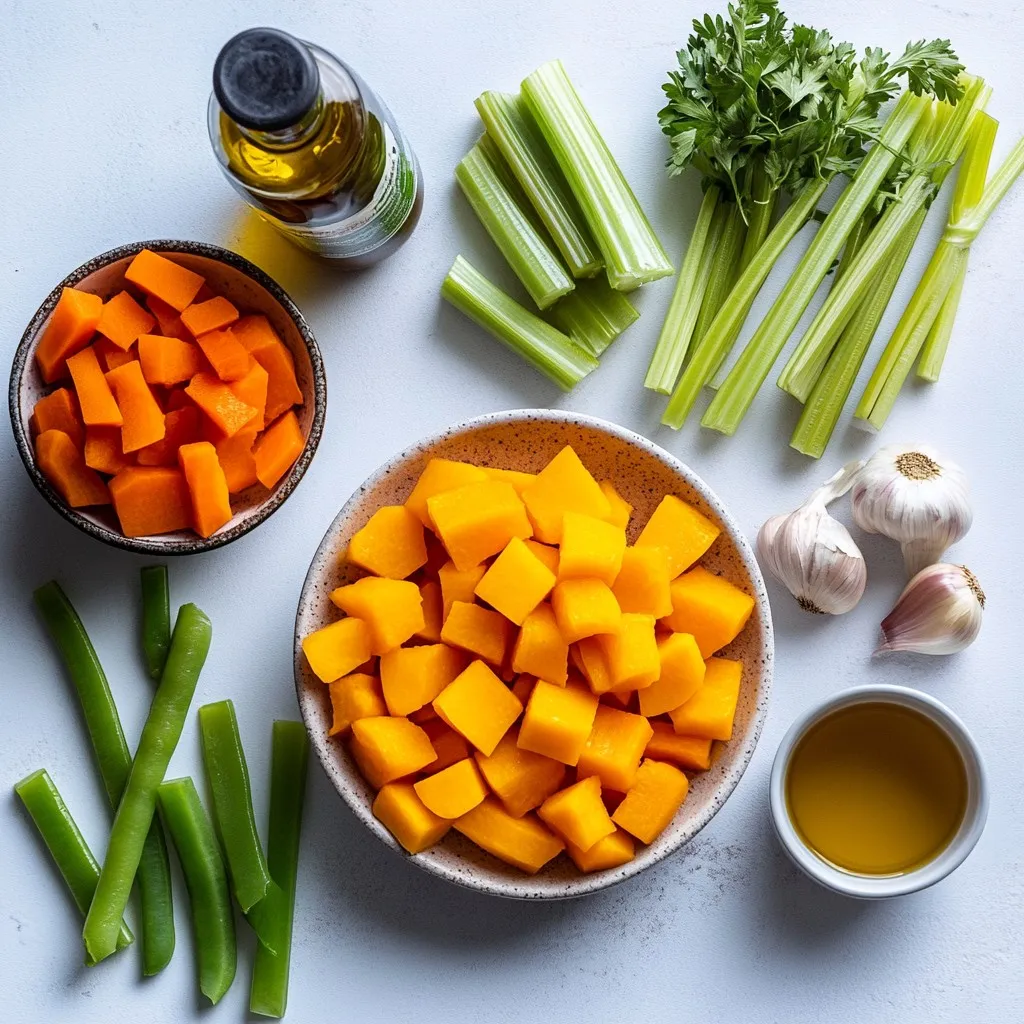
List of Ingredients
– 2 tablespoons olive oil
– 1 large onion, diced
– 3 cloves garlic, minced
– 2 carrots, sliced
– 2 celery stalks, chopped
– 1 medium potato, diced
– 1 cup green beans, trimmed and cut into 1-inch pieces
– 1 cup butternut squash, peeled and diced
– 1 can (14 oz) diced tomatoes, with juice
– 4 cups vegetable broth
– 1 teaspoon dried thyme
– 1 teaspoon dried rosemary
– Salt and pepper to taste
– Fresh parsley, chopped (for garnish)
Quantity and Measurement
To make a hearty stew, use the amounts listed above. This recipe serves six. Each ingredient plays a key role. The olive oil helps cook the veggies. The broth keeps it moist. The herbs add flavor. You can adjust the amounts based on your taste.
Tips for Selecting Fresh Ingredients
When choosing ingredients, look for bright colors. Fresh vegetables should feel firm. For onions, choose ones with no soft spots. Garlic should be plump and dry. When picking green beans, they should snap easily. For butternut squash, a dull skin means it is ripe. Always check for any signs of spoilage. Fresh parsley adds a nice touch. It should be vibrant and fragrant. Following these tips will make your stew taste better.
Step-by-Step Instructions
Preparing the Base
Start by heating 2 tablespoons of olive oil in a large pot. Use medium heat for this. Add 1 large onion, diced, and sauté it for about 5 minutes. You want it to be soft and translucent. Next, add 3 cloves of minced garlic, 2 sliced carrots, and 2 chopped celery stalks. Cook these for another 3 to 4 minutes. They should soften and blend nicely with the onion.
Cooking the Vegetables
Now, it’s time to add more veggies. Toss in 1 diced potato, 1 cup of trimmed and cut green beans, and 1 cup of peeled and diced butternut squash. Then, pour in 1 can of diced tomatoes, including the juice. Stir everything well. Next, add 4 cups of vegetable broth. This gives the stew its rich base. Sprinkle in 1 teaspoon each of dried thyme and dried rosemary. Don’t forget to season with salt and pepper to taste. Bring this mixture to a boil, so it bubbles nicely.
Finalizing the Stew
Once boiling, reduce the heat to low. Let the stew simmer uncovered for about 30 to 35 minutes. You want the vegetables to be tender. After that, taste your stew. Adjust the seasoning if needed. If you want a thicker stew, mash some potato against the pot’s side. Finally, serve it hot, and garnish with freshly chopped parsley on top. Enjoy your hearty and flavorful meal!
Tips & Tricks
How to Enhance Flavor
To boost flavor, use fresh herbs. Fresh parsley adds a nice touch. You can also try adding a splash of lemon juice. It brightens the dish. If you love spice, add red pepper flakes. They bring warmth without overpowering the stew. Lastly, don’t forget to taste. Adjust the salt and pepper to your liking.
Cooking Time Adjustments
Cooking time can change based on your stove. If you want softer veggies, simmer longer. Check them after about 30 minutes. If they still feel firm, let them cook for 5 more minutes. If you’re in a hurry, chop the veggies smaller. They will cook faster. Just keep an eye on them so they don’t turn mushy.
Making it Vegetarian/Vegan
This stew is already vegetarian. To make it vegan, keep the same base. Just ensure your vegetable broth is vegan-friendly. You can also add more protein. Chickpeas or lentils work great. They add texture and nutrition. If you want a creamier stew, blend a portion of it. This will give a rich feel without dairy.
Pro Tips
- Use Seasonal Vegetables: Incorporate seasonal produce for the freshest flavors and the best nutritional value in your stew.
- Enhance Flavor Depth: Consider adding a splash of red wine or balsamic vinegar to deepen the stew’s flavor profile.
- Meal Prep Friendly: This stew freezes well, making it a great meal prep option for busy days. Just reheat and enjoy!
- Customize Your Stew: Feel free to swap in your favorite vegetables or add legumes for extra protein and fiber.
Variations
Regional Adaptations of Peasant Stews
Peasant stews vary across Europe. Each country adds its own twist. In France, they use wine and herbs. Italy loves adding pasta or beans. Spain might throw in some chorizo for spice. Each region reflects local tastes and traditions, making every stew unique.
Using Different Proteins
You can change the protein in your stew. Try chicken for a lighter option. Beef gives it a rich flavor. If you want something different, use sausage for a smoky taste. For a vegetarian choice, add lentils or chickpeas. Each protein changes the stew’s heartiness and taste.
Incorporating Seasonal Vegetables
Seasonal vegetables make your stew fresh and vibrant. In spring, use peas and asparagus. Summer brings zucchini and bell peppers. Fall is perfect for root veggies like carrots and squash. Winter calls for hearty greens like kale or cabbage. Using what’s in season adds flavor and nutrition to your meal.
Storage Info
How to Properly Store Leftovers
To store your rustic hearty vegetable stew, let it cool first. Use airtight containers. Make sure to cover the stew well. You can keep leftovers in the fridge for up to four days. Label the container with the date. This way, you won’t forget when you made it. If you notice any off smell or mold, toss it out.
Reheating Instructions
When you want to enjoy your stew again, reheat it on the stove. Pour the stew into a pot. Warm it over low heat. Stir it often so it heats evenly. If the stew seems too thick, add a splash of vegetable broth. You can also reheat it in the microwave. Place it in a microwave-safe bowl and cover it. Heat it in short bursts, stirring in between. This keeps it from getting too hot.
Freezing for Future Meals
Freezing is a great way to save stew for later. After it cools, pour the stew into freezer-safe bags or containers. Leave some space at the top for expansion. Label each bag with the date and contents. You can freeze the stew for up to three months. When you’re ready to eat, thaw it overnight in the fridge. Reheat it on the stove or in the microwave. This method keeps the flavors fresh and delicious.
FAQs
What makes a stew “peasant style”?
A stew is “peasant style” because it uses simple, hearty ingredients. These dishes often come from rural areas. They focus on what is local and in season. The goal is to make a filling meal with minimal cost. You often find root vegetables, beans, and grains. They are cooked slowly to blend flavors. This style celebrates comfort and warmth, perfect for sharing.
Can I make this recipe in a slow cooker?
Yes, you can make this rustic hearty vegetable stew in a slow cooker. First, sauté the onion and garlic in a pan. This step adds more flavor. Then, add all the other ingredients to the slow cooker. Set it on low for 6-8 hours or high for 3-4 hours. Stir once or twice if you can. The slow cooking will make the veggies tender and tasty.
What are the best substitute ingredients for this stew?
You can easily swap out some ingredients in this stew. Here are some ideas:
– Use sweet potatoes instead of regular potatoes.
– Swap green beans for peas or corn.
– Try zucchini or bell peppers in place of butternut squash.
– Use chicken or beef broth for a non-vegetarian option.
– Replace olive oil with coconut oil for a different flavor.
These substitutes keep the stew tasty while using what you have on hand.
In this blog post, we explored the art of making a hearty peasant stew. We looked at key ingredients, cooking methods, and helpful tips for great flavor. You learned how to adjust cooking times and add delicious twists. Keeping leftovers fresh and understanding storage options were also covered. Remember, cooking is about creativity and joy. Use these ideas to make your own tasty stew. Enjoy the process and share your creation